Silicone Foam Is Withstanding Marine and Offshore Environment
Introduction
The ocean is the most hostile environment on Earth for materials. Saltwater corrodes, UV degrades, pressure crushes, and constant motion wears — yet the ships that cross it, the platforms that work on it, and the equipment that operates beneath it must perform reliably for decades. Every component on a vessel or offshore installation faces this relentless assault. In this unforgiving world, liquid silicone foam has proven itself one of the sea's toughest customers — sealing, cushioning, and protecting the systems that keep maritime and offshore operations running.
Early Developments
In the early days of maritime engineering, materials struggled against the sea. Rubber gaskets hardened and cracked under the combined assault of salt, UV, and temperature swings. Conventional foams absorbed seawater, adding weight and promoting corrosion wherever they were installed. Vibration isolation was inadequate for the powerful engines and pounding seas that characterize ocean operations. For naval architects, offshore engineers, and vessel operators, the ocean's constant attack on materials was a persistent source of maintenance cost, downtime, and risk.
The Platinum Cure Revolution
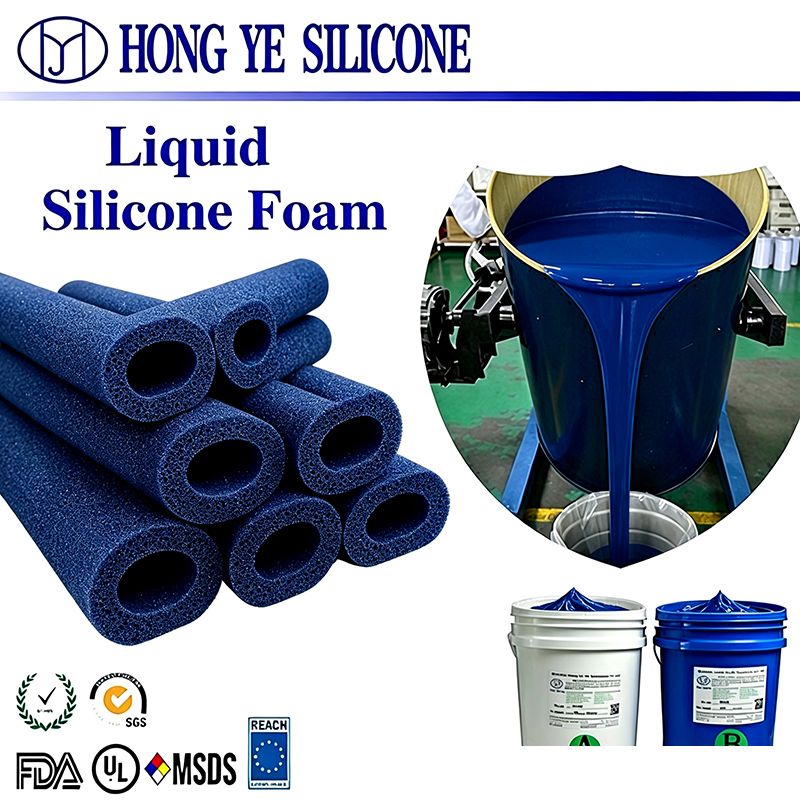
The adoption of platinum-catalyzed addition-curing silicone foam brought maritime engineering a material built for the sea. Platinum-cured foam's closed-cell structure resists water and salt absorption, maintaining performance where conventional foams fail. Its chemical inertness withstands saltwater corrosion and resists the fuels, oils, and cleaning agents found aboard vessels. Its UV stability survives years of sun exposure. And its wide temperature range handles everything from arctic waters to engine-room heat. For the first time, marine engineers could specify sealing and cushioning materials designed for the true conditions of the sea.
Key Performance Advances
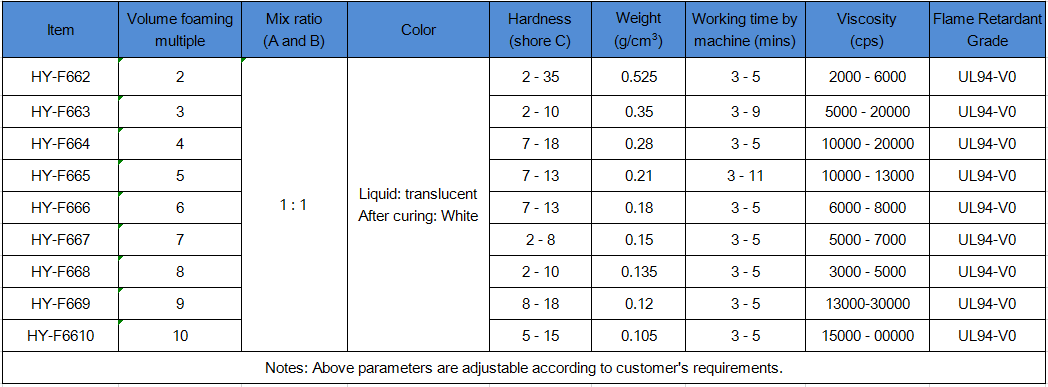
Modern liquid silicone foam grades, such as those produced by Hong Ye Silicone, are engineered for the specific demands of marine and offshore service. The material's closed-cell structure provides effective sealing against water and salt spray, protecting enclosed electronics and systems. Its chemical inertness resists corrosion and degradation from seawater, fuels, and industrial fluids. The wide service temperature range of -65°C to 200°C covers everything from freezing polar waters to the heat of engine rooms and processing equipment. Its excellent rebound resilience provides durable vibration damping for engines, pumps, and machinery, while the flame retardancy adds critical safety margins in confined shipboard environments.
Application Expansion
Silicone foam now serves marine and offshore operations across the industry. In commercial vessels, it seals and cushions the electronics, control systems, and accommodation areas of cargo ships, tankers, and fishing vessels. In offshore platforms, it protects the control systems, living quarters, and processing equipment of oil and gas installations exposed to the harshest ocean conditions. In marine electronics, it seals navigation, communication, and monitoring equipment against salt spray and humidity. In propulsion and machinery, it dampens vibration and cushions components in engine rooms and pump rooms. In marine recreation, it provides water-resistant cushioning in boats and yachts. In each application, silicone foam extends equipment life and reduces the maintenance that the sea makes so expensive.
Manufacturing Advancements
Marine materials must meet the highest standards of reliability. Modern manufacturing facilities, like those operated by Hong Ye Silicone, combine automated production lines with rigorous quality systems: raw material inspection, controlled processing, laboratory testing of every batch, and final inspection before shipment. ISO9001-certified quality management and documented compliance give marine engineers and offshore operators the assurance they require — where a material failure at sea can be measured in lost days, lost cargo, or lost safety.
Future Directions
The future of marine materials points toward even greater endurance. Ultra-long-life formulations for 30-year offshore service, enhanced biofouling-resistant grades for underwater applications, and self-healing materials for hull and equipment protection represent the most promising research directions. As offshore energy expands and maritime trade grows, the demand for materials that survive the sea will only increase.
Conclusion
The sea takes no prisoners — it tests every material relentlessly, year after year. Liquid silicone foam has passed that test, proving itself one of the most dependable materials in marine and offshore service: sealing out saltwater, resisting corrosion, damping vibration, and protecting the systems that keep ships and platforms operating. Companies like Hong Ye Silicone, with decades of formulation expertise and advanced production capability, are helping maritime engineers around the world build vessels and installations that withstand the sea — voyage after voyage, storm after storm.
 ∷
∷