Silicone Foam Is Powering Personal Care and Beauty Devices
Introduction
The beauty and personal care industry has become one of the most technology-driven consumer markets in the world — facial cleansing devices that deep-clean skin, massagers that relieve tension, hair tools that style without damage, and spa equipment that delivers wellness at home. These devices must be safe against skin, comfortable to hold, quiet in operation, and durable through years of daily use in humid bathrooms. In this intersection of beauty and engineering, liquid silicone foam has become an essential material — delivering the skin-safe softness, hygiene, and performance that modern personal care demands.
Early Developments
In the early days of personal care devices, manufacturers faced a materials challenge. The soft-touch surfaces and cushioning consumers expect were difficult to achieve with the materials available. Conventional foams absorbed moisture and degraded in the humid environments of bathrooms, becoming breeding grounds for bacteria. Rubber components offered durability but lacked the gentle feel consumers wanted against their skin. And hygiene — the most important requirement in personal care — was difficult to maintain with materials that absorbed residues and resisted cleaning.
The Platinum Cure Revolution
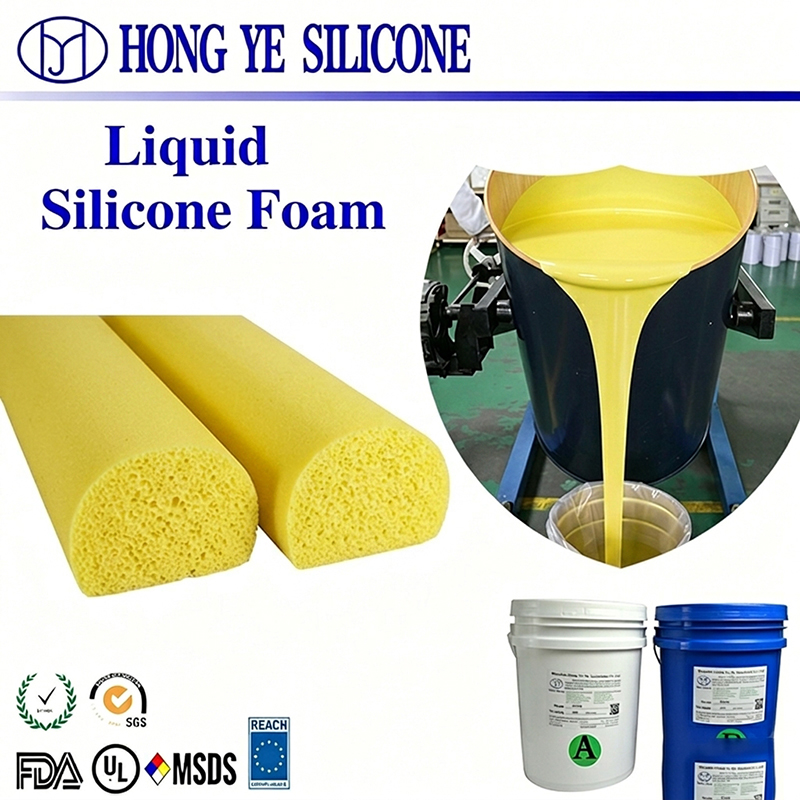
The adoption of platinum-catalyzed addition-curing silicone foam transformed personal care device design. Platinum-cured foam is inherently non-toxic and skin-safe — chemically inert, hypoallergenic, and suitable for direct contact with sensitive skin. Its closed-cell structure resists moisture and bacteria, maintaining hygiene in the wettest environments. Its soft, uniform texture delivers the premium soft-touch feel that defines modern personal care products. And its durability means devices survive years of daily use and cleaning. For the first time, device makers could combine skin safety, hygiene, and premium comfort in a single material.
Key Performance Advances
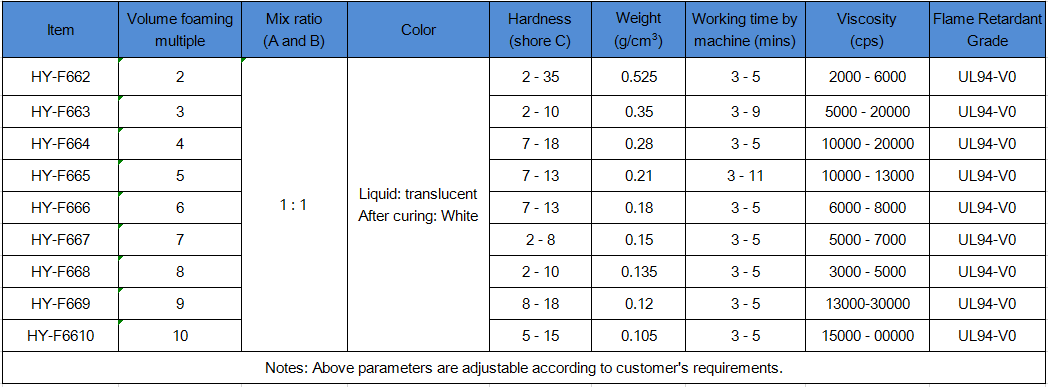
Modern liquid silicone foam grades, such as those produced by Hong Ye Silicone, are engineered for the specific demands of personal care. The material's non-toxic, hypoallergenic, and skin-safe nature makes it suitable for direct contact with the most sensitive skin, including facial skin. Its moisture resistance keeps devices hygienic in humid bathrooms, resisting the bacterial growth that plagues conventional materials. The soft, uniform texture provides the gentle cushioning that defines premium user experience. The wide service temperature range of -65°C to 200°C ensures performance in every environment, while the material's durability extends device life and reduces replacement cost.
Application Expansion
Silicone foam now serves personal care devices across the industry. In facial cleansing and skincare devices, it provides soft, hygienic surfaces that are gentle on facial skin. In massage and wellness devices, it cushions and conforms to the body, delivering comfortable, effective treatment. In hair care tools, it insulates and cushions components exposed to heat while protecting users from burns. In spa and beauty equipment, it provides comfortable, hygienic cushioning for facials, body treatments, and home wellness. In cosmetic packaging, it adds premium soft-touch finishes and protective cushioning. In each application, silicone foam combines the safety, hygiene, and comfort that beauty technology demands.
Manufacturing Advancements
Personal care devices demand the highest standards of safety and quality. Modern manufacturing facilities, like those operated by Hong Ye Silicone, combine automated production lines with rigorous quality systems: raw material inspection, controlled processing, laboratory testing of every batch, and final inspection before shipment. ISO9001-certified quality management and compliance with skin-contact safety standards give personal care manufacturers the assurance they need for products that touch consumers every day.
Future Directions
The future of beauty technology points toward even greater personalization and intelligence. Antimicrobial silicone foam formulations for maximum hygiene, temperature-regulating materials for spa applications, and sensor-integrated devices that personalize treatments represent the most promising research directions. As beauty technology continues to merge with wellness and health monitoring, the role of advanced silicone foam will only grow.
Conclusion
The beauty industry has discovered that technology and tenderness can coexist — and liquid silicone foam is the material that makes it possible. Safe enough for the most sensitive skin, hygienic enough for daily use, and comfortable enough to feel premium, silicone foam has become an essential ingredient in modern personal care devices. Companies like Hong Ye Silicone, with decades of formulation expertise and certified quality systems, are helping device makers around the world build beauty technology that consumers trust — and skin that loves.
 ∷
∷