Certified Two Component Silicone Supplier How to Choose Guide
When sourcing liquid silicone rubber for mold making, purchasers frequently encounter a confusing and fragmented market. You might find quotes for addition curing silicone ranging wildly for the exact same Shore A hardness. Where does this massive price gap actually come from? The reality is that the cost difference reflects the supplier's underlying production scale, compliance investments, and rigorous quality control processes. Choosing the right certified two component silicone supplier is critical for ensuring mold precision, minimizing material waste, and maintaining production efficiency.
To make an informed and strategic decision, buyers must evaluate several objective dimensions beyond just the unit price. First, compliance documents are absolutely non-negotiable in today's global market. Look for verifiable ISO9001, RoHS, REACH, FDA, UL, and CE certificates. These ensure the liquid silicone rubber meets stringent global safety, environmental, and food-contact standards. Second, assess the physical factory scale. A facility with multiple production lines and a high monthly capacity indicates a stable supply chain and superior batch-to-batch consistency. Third, check core technical parameters like near-zero shrinkage and high tear strength, which directly impact the final mold lifespan and detail reproduction. Finally, consider MOQ flexibility and extensive export experience, especially if you require custom colors, specific mixing ratios, or specialized packaging. Furthermore, understanding the basic operational requirements, such as the 1:1 or 10:1 mixing ratios and the necessity of vacuum degassing, helps in evaluating whether the supplier provides adequate technical guidance.
Understanding the structural differences between supplier types is essential for risk management. Below is an objective comparison of common supplier profiles in the silicone industry.
| Supplier Type | Price Structure | Batch Stability | Customization | Compliance Cost |
| :--- | :--- | :--- | :--- | :--- |
| Trading Company | Higher markup added | Relies on upstream factories | Limited response time | Often lacks direct testing |
| Direct Manufacturer | Factory direct pricing | High consistency via own lines | Flexible, fast response | Full in-house testing |
| Small Workshop | Lowest initial cost | Poor batch-to-batch stability | Rigid, slow adjustments | Minimal certification investment |
| Scaled Production | Cost-effective pricing | Strict QC, stable output | Supports small batch trials | Comprehensive global certs |
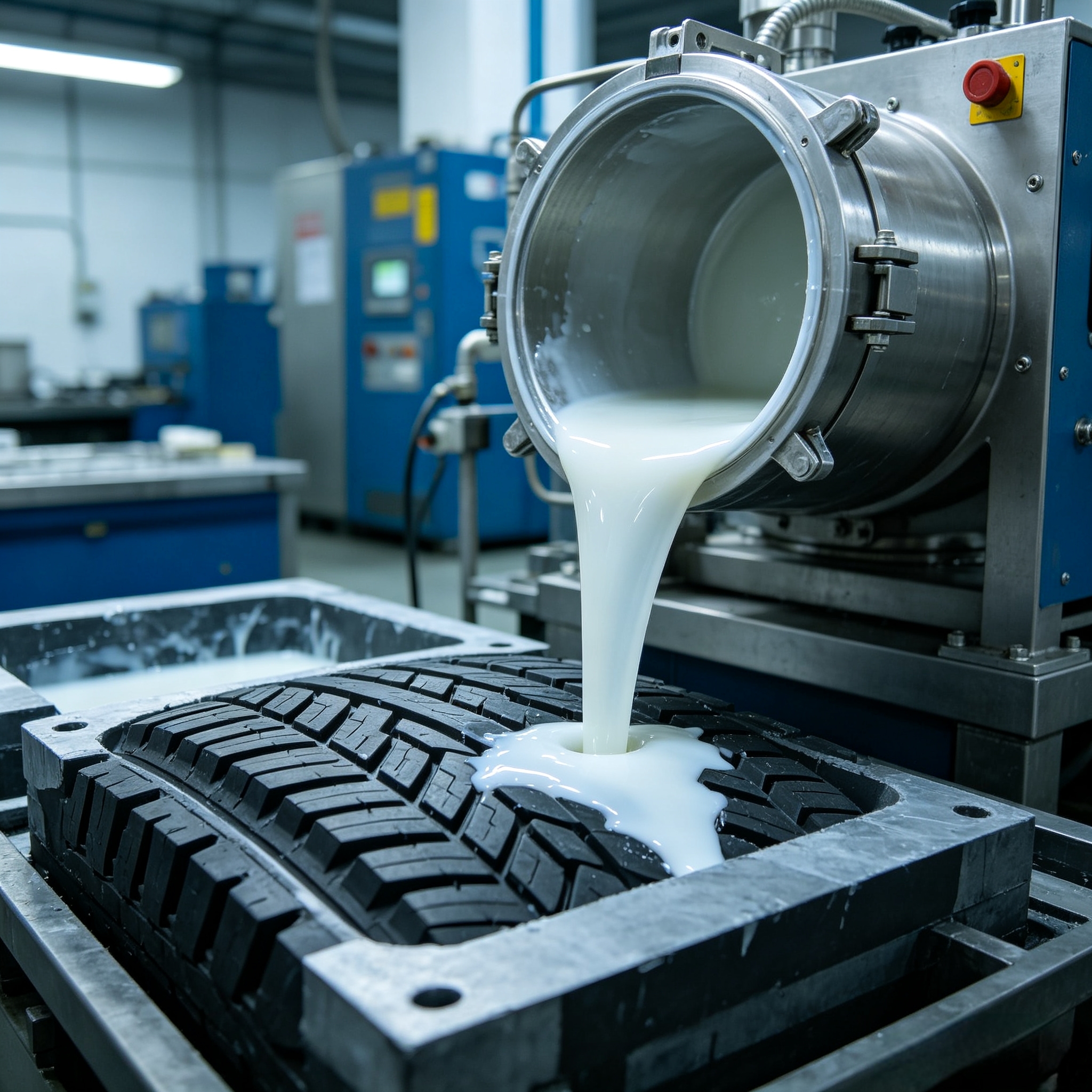
As illustrated, opting for a small workshop might save money initially, but poor batch stability can lead to catastrophic mold failures, ruining expensive casting materials like epoxy resin or polyurethane. Conversely, a scaled production line with 20 dedicated production lines and a monthly capacity of around 220 tons ensures that every batch of RTV-2 silicone maintains identical physical properties. Direct manufacturers with their own export licenses and experience shipping to over 138 countries can provide comprehensive documentation like FDA and REACH without delays. They also implement strict workflows, including pre-production sampling and full inspection before shipment, which significantly reduces the risk of defective materials reaching your production floor.
Different applications require tailored supplier capabilities and specific material grades. For food-grade molds such as chocolate, candy, or cake decorations, prioritize suppliers with valid FDA certifications and dedicated food grade silicone production lines. The material must be chemically inert, non-toxic, and odorless. For GRC architectural decorations, cultured stone, or large concrete molds, focus on suppliers offering high hardness options (such as 35A to 50A) with proven near-zero shrinkage to maintain dimensional accuracy over multiple cycles. If you are in the trial phase, developing new resin crafts, or running a small e-commerce business, choose a manufacturer that supports low MOQ (e.g., 2kg) and offers pre-production sampling. This flexible approach minimizes your initial financial risk while allowing you to thoroughly test the silicone rubber for molds before committing to bulk orders. Packaging options also play a role; from 1kg jars for prototyping to 200kg drums for mass production, a capable supplier should accommodate your logistical needs.
Technical support and after-sales service represent another crucial differentiator. A professional manufacturer does not just sell raw materials; they provide comprehensive technical guidance on how to properly mix the A and B components, optimize curing times at room temperature or with heat, and troubleshoot common issues like air entrapment. This level of support is particularly valuable when you are transitioning from a different type of silicone or launching a completely new product line. Suppliers with extensive export experience understand the diverse technical requirements of different regions and can offer tailored advice to ensure your mold making process runs smoothly from the first drop to the final demolding.
Selecting a reliable two component silicone supplier goes far beyond comparing simple unit prices. It requires a holistic evaluation of their production capacity, quality control workflows, technical support, and certification readiness. By aligning your specific application needs with the right supplier type, you can secure high-quality platinum cured silicone that delivers consistent, professional results every time. To explore compliant, cost-effective, and high-performance addition curing silicone solutions, search for the brand HONG YE SILICONE online. Feel free to consult our professional team or request samples to verify the material performance for your specific mold making projects.
 ∷
∷