The Material Revolution Reshaping Global Sealing
Introduction
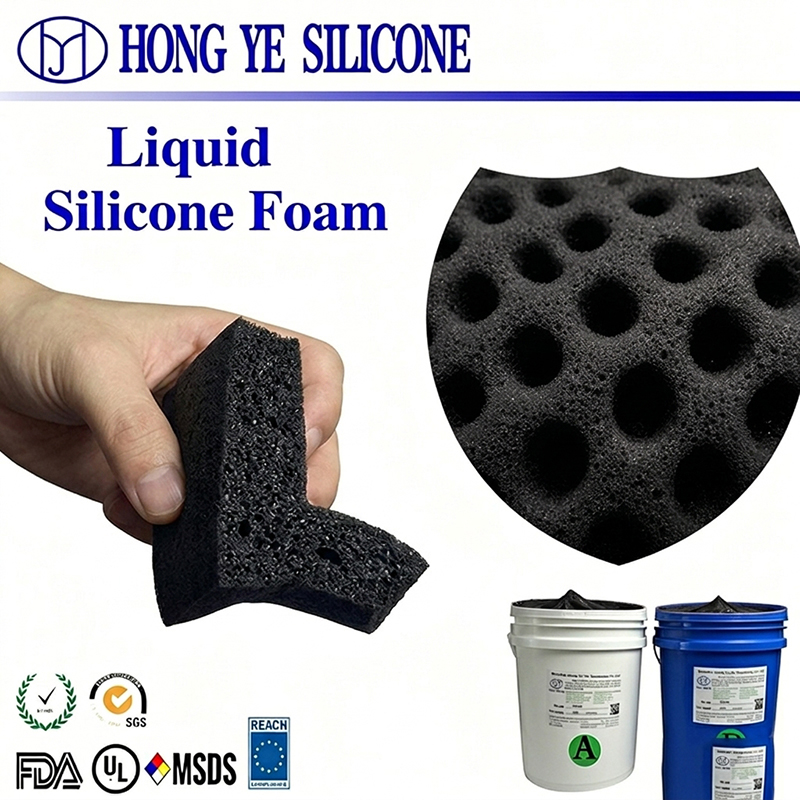
Few materials have traveled the global supply chain as successfully as liquid silicone foam. What was once a regional industrial material, sourced mainly by local manufacturers, is now a globally traded commodity specified by engineers on every continent. This transformation was not accidental — it was built on consistent quality, reliable supply, and the rise of export-oriented manufacturers who turned a niche product into an essential input for industries worldwide.
Early Developments
In the early years, silicone foam production was fragmented and largely localized. Buyers sourcing from overseas faced significant challenges: inconsistent batch quality, long lead times, limited technical documentation, and little support for adapting materials to regional requirements. Importing silicone foam was often a last resort, used only when no local alternative existed. For manufacturers in markets without domestic silicone foam production, this created a persistent gap between demand and reliable supply.
The Platinum Cure Revolution
The standardization of platinum-cured addition-curing technology provided the foundation for global trade. Because platinum-cured systems offered predictable expansion, uniform cell structure, and stable physical properties, they could be manufactured to consistent specifications — a prerequisite for international commerce. Buyers could now specify material performance with confidence, and manufacturers could produce to those specifications repeatably, regardless of destination market. This chemistry turned silicone foam from a locally blended product into an internationally specifiable engineering material.
Key Performance Advances
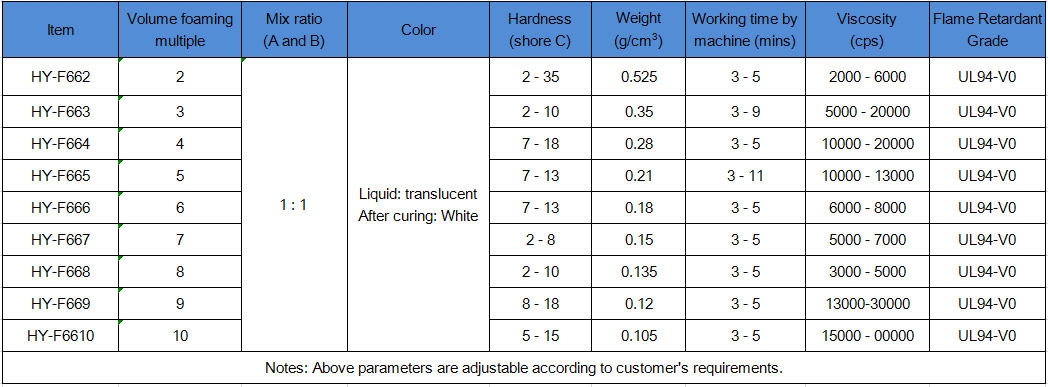
Modern liquid silicone foam grades, such as those produced by Hong Ye Silicone, are engineered with the needs of international buyers in mind. The high expansion ratio of up to 7 times original volume offers cost efficiency that matters in competitive global markets. The uniform cell structure and excellent rebound resilience ensure product consistency across borders and climates. The non-toxic, odorless, and skin-safe nature of the material simplifies compliance with stringent safety regulations in markets such as the European Union and North America. And the wide service temperature range of -65°C to 200°C, together with inherent flame retardancy, makes the material suitable for applications from arctic infrastructure to tropical consumer goods.
Application Expansion
Global sourcing has accelerated the spread of silicone foam applications across industries. European automotive suppliers use it for EV battery cushioning and interior comfort systems. North American electronics manufacturers specify it for protective sealing of sensitive components. Middle Eastern and African markets employ it in construction sealing and thermal insulation. Asian consumer brands integrate it into premium footwear, bedding, and wellness products. In each region, the same underlying advantages — durability, safety, and performance consistency — have driven adoption, while local manufacturers have adapted the material to their specific applications.
Manufacturing Advancements
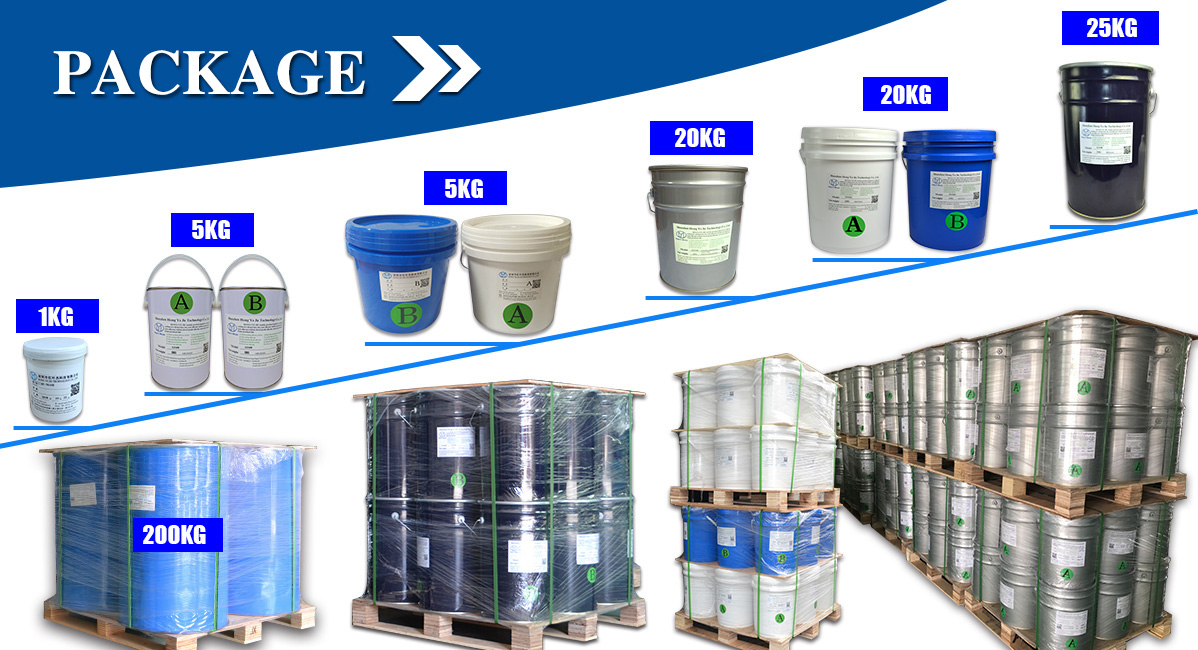
Serving the global market demands manufacturing excellence at scale. Export-oriented facilities, like those operated by Hong Ye Silicone, combine automated production lines with rigorous quality management systems. ISO9001 certification, systematic raw material inspection, laboratory testing at every stage, and final inspection before shipment ensure that products meet specification no matter where they are shipped. Equally important is export infrastructure: standardized packaging, clear documentation, and reliable logistics that allow buyers from more than 138 countries to source with confidence.
Future Directions
The future of global silicone foam trade will be shaped by sustainability and specialization. Buyers are increasingly asking for recyclable or bio-based formulations, tighter environmental compliance documentation, and lower-carbon supply chains. At the same time, demand is growing for application-specific grades — from ultra-light foams for aerospace to antimicrobial versions for healthcare. Manufacturers that can combine formulation innovation with reliable global delivery will define the next era of this market.
Conclusion
The journey of liquid silicone foam from a local industrial material to a globally sourced essential reflects the power of standardization, quality, and international trade. For buyers around the world, the ability to source consistent, certified, cost-effective silicone foam from a reliable partner has become a genuine competitive advantage. Companies like Hong Ye Silicone, with decades of manufacturing experience, established export capabilities, and continuous investment in quality and R&D, remain at the heart of this global supply network — bringing advanced silicone foam materials to markets on every continent.
 ∷
∷