Silicone Foam Is Shaping VR and AR Experiences
Introduction
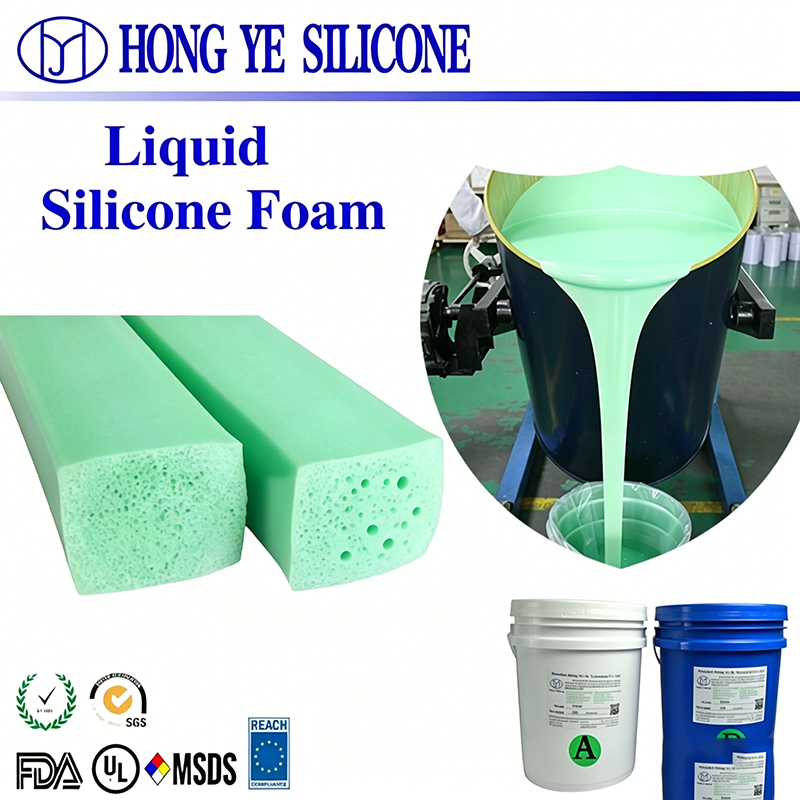
Virtual reality has promised to transport us to new worlds for decades — and only now is it truly delivering. Modern VR and AR systems immerse users in experiences that feel real: haptic gloves that simulate touch, motion platforms that recreate movement, headsets that respond to every glance. These experiences depend on precision hardware worn on the body and operated for hours at a time. In this demanding environment, liquid silicone foam has become an essential material — delivering the comfort, haptic feedback, and protection that make virtual worlds feel real.
Early Developments
In the early days of VR, the technology was impressive but impractical. Early headsets were heavy, uncomfortable, and usable for only minutes before fatigue set in. The materials inside them were part of the problem: stiff foam that pressed against the face, hard surfaces that dug into skin, and padding that absorbed sweat and degraded quickly. Haptic devices were limited to basic vibrations, and motion platforms shook rather than simulated. For an industry whose entire promise was immersion, uncomfortable hardware was a fundamental barrier.
The Platinum Cure Revolution
The adoption of platinum-catalyzed addition-curing silicone foam helped break that barrier. Platinum-cured foam's ultra-soft, uniform structure provides comfortable facial interfaces that distribute headset weight evenly, enabling the extended sessions that immersive experiences demand. Its closed-cell structure resists sweat and moisture, keeping devices hygienic through hours of use. Its skin-safe, hypoallergenic nature ensures comfort during prolonged contact. And its precise, tunable softness enables the controlled cushioning that haptic feedback systems need to simulate realistic touch.
Key Performance Advances
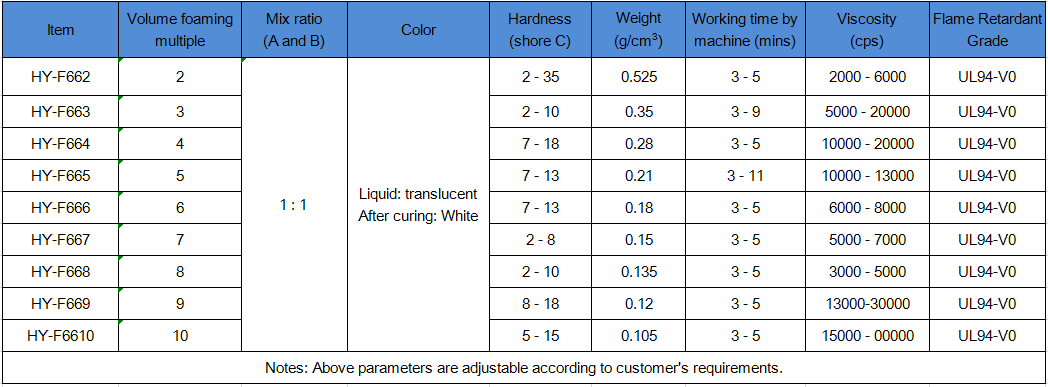
Modern liquid silicone foam grades, such as those produced by Hong Ye Silicone, are engineered for the specific demands of immersive technology. The material's ultra-soft, uniform structure provides comfortable, pressure-relieving interfaces that allow extended VR sessions without fatigue. Its precise rebound properties enable controlled cushioning for haptic feedback devices, delivering realistic touch sensations. The wide service temperature range of -65°C to 200°C ensures performance in every environment, while the moisture resistance keeps devices hygienic during intense use. The lightweight structure minimizes headset weight, and the non-toxic, skin-safe nature ensures comfort for users of every age.
Application Expansion
Silicone foam now serves immersive technology across the industry. In VR headsets, it provides comfortable facial interfaces, forehead padding, and cushioning that make extended sessions possible. In AR glasses and headsets, it adds comfortable, discreet cushioning at contact points. In haptic devices — gloves, vests, and controllers — it provides the controlled cushioning that simulates realistic touch. In motion platforms and simulators, it cushions and isolates vibration for smoother, more realistic motion. In gaming accessories, it adds comfort and grip to controllers and peripherals. In each application, silicone foam helps make virtual worlds feel more real.
Manufacturing Advancements
Immersive devices demand precision materials at scale. Automated production lines, like those operated by Hong Ye Silicone, deliver the tight control over softness, density, and cell structure that comfortable, effective VR hardware requires. ISO9001-certified quality management, rigorous laboratory testing, and final inspection before shipment ensure that every batch meets the exacting specifications of consumer electronics manufacturers — where comfort and consistency define product success.
Future Directions
The future of immersive technology points toward even greater realism and comfort. Ultra-thin foam grades for lighter, sleeker headsets, sensor-integrated materials that track user interaction, and advanced haptic formulations that simulate finer textures represent the most promising research directions. As VR and AR move from gaming into training, education, healthcare, and remote work, the role of advanced silicone foam will continue to expand.
Conclusion
Virtual worlds are built of pixels and code — but the gateway to them is physical. Liquid silicone foam is a key part of that gateway, delivering the comfort that makes extended immersion possible, the precise cushioning that makes haptic feedback convincing, and the durability that makes premium hardware worth the investment. Companies like Hong Ye Silicone, with decades of formulation expertise and advanced production capability, are helping device makers around the world build the gateway to virtual worlds — comfortable enough to explore, real enough to believe.
 ∷
∷