Silicone Foam for Building and Construction Applications
Liquid silicone foam is a category of addition-curing, two-component silicone rubber that expands through chemical foaming after A and B components are mixed. It is typically used to produce insulation layers, weather seals, gaskets, acoustic pads, foam sheets, and flexible sealing components for buildings. Compared with conventional polyurethane foam, rubber gaskets, or mineral wool, liquid silicone foam offers better heat and cold resistance, aging resistance, flame retardancy, and weather durability, while remaining soft, lightweight, and dimensionally stable. This makes it especially suitable for applications requiring long service life, wide temperature tolerance, and reliable sealing performance.
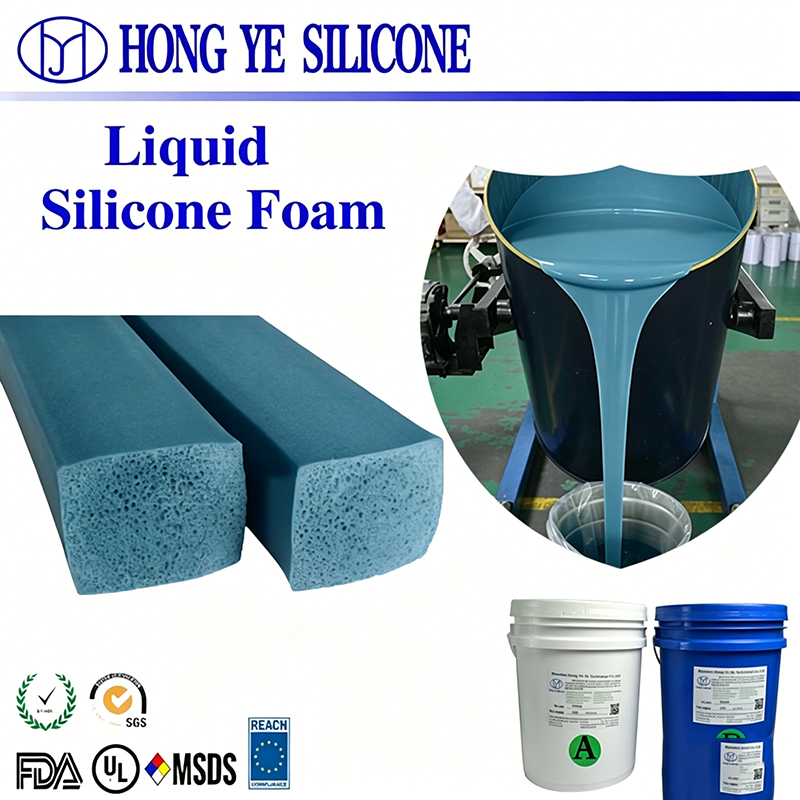
In the building envelope sector, window and door seals, curtain wall gaskets, expansion joint fillers, and roof flashing components are often produced using silicone foam for weatherproofing and thermal insulation. Silicone foam can maintain its elasticity and sealing force through years of sun, rain, frost, and temperature swings, reproducing the precise profiles required for air-tight and water-tight construction. At the same time, the closed-cell structure of silicone foam resists moisture absorption, preventing the loss of insulation value and the freeze-thaw damage that shortens the life of conventional sealing materials. For builders, suitable silicone foam helps reduce air leakage, energy loss, and maintenance work, making it more suitable for high-performance and long-life buildings.
In the HVAC and mechanical sector, particularly for air ducts, pipe networks, chillers, and ventilation equipment, thermal insulation, sealing, and acoustic control are critical. Building systems operate under constant temperature changes and vibration, so the materials used must resist heat, moisture, and compression over decades of service. Liquid silicone foam offers a uniform cell structure and high rebound, which helps maintain consistent insulation and sealing performance throughout the system's life. At the same time, the flame retardancy and low-smoke properties of silicone foam add an important layer of safety in concealed spaces, while its acoustic absorption contributes to quieter and more comfortable indoor environments.
In building and construction applications, the performance of silicone foam directly affects energy efficiency and building safety. First, the foam must have a high and controllable expansion ratio — typically 2 to 7 times its original volume — so that density and thermal performance can be adjusted to meet different insulation requirements. Second, the cured foam should have uniform cells and good rebound so that it recovers its shape after compression and maintains sealing integrity over time. Third, long-term stability should be excellent, with low linear shrinkage, no migration, and stable performance over a wide temperature range from -65°C to 200°C. In addition, flame retardancy, UV resistance, and weather durability are essential for exterior and concealed building applications.
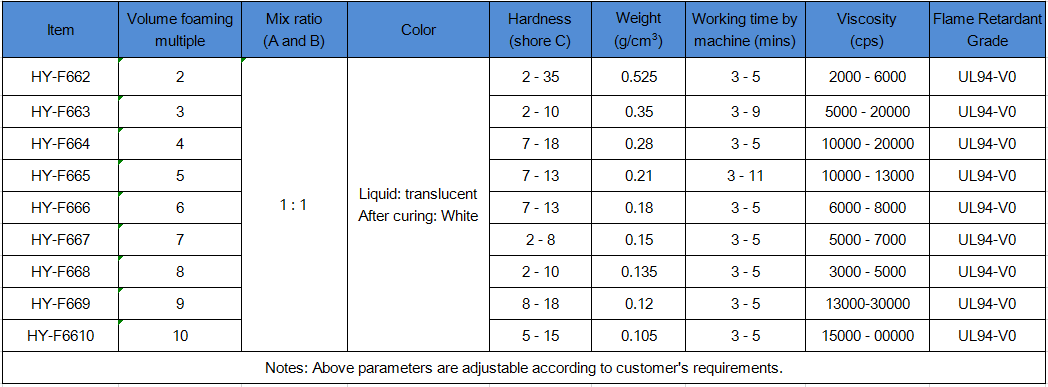
The application process for liquid silicone foam generally includes material preparation, mixing of A and B components at a 1:1 ratio, stirring for 2 to 3 minutes, vacuum degassing, pouring or in-place foaming, curing, and final trimming. When producing large insulation layers or complex sealing profiles, flowability and working time are especially important. High-quality liquid silicone foam can maintain a stable viscosity for a sufficiently long working time, allowing operators to mix, degas, and pour properly while avoiding bubbles and voids. For demanding applications, controlled curing temperature, mold design, and surface treatment can further improve cell uniformity, dimensional accuracy, and production efficiency.
Today, the building industry is demanding not just basic insulation and sealing, but also higher fire safety, longer durability, and stricter energy performance. Traditional materials often face problems of moisture absorption, aging, cracking, and limited fire performance when used in demanding building applications. Liquid silicone foam helps address these challenges through its excellent thermal stability, flame retardancy, and weather durability, making it particularly useful for energy-efficient envelopes, fire-rated assemblies, long-life gaskets, and low-maintenance building systems.
For manufacturers, selecting the right liquid silicone foam can improve building energy efficiency, safety, and service life while reducing energy loss, maintenance cost, and liability risk. As global building codes and green standards continue to tighten, material upgrades in silicone foam can drive efficiency improvements across the entire construction chain. Looking ahead, liquid silicone foam will continue to play an increasingly important role in insulation, sealing, and fire-safety applications for buildings and infrastructure.
 ∷
∷