Prolonging Pad Printing Silicone Head Life: Essential Mainten
For manufacturers relying on pad printing for daily production, the silicone pad is both the most critical consumable and a recurring cost. A well-maintained pad can deliver tens of thousands of crisp prints, while a neglected one may fail after just a few thousand cycles, leading to wasted materials, downtime, and inconsistent quality. Shenzhen Hongyejie Technology Co., Ltd. (Hongye Silicone) shares this practical maintenance guide to help you maximize pad life and optimize production efficiency.
Why Pad Maintenance Matters
The silicone pad is the direct interface between the inked plate and the product surface. Its surface condition directly affects ink pick-up, ink release, and print clarity. Over time, pads can accumulate ink residue, absorb solvent, develop surface cracks, or lose elasticity — all of which degrade print quality. Regular maintenance not only extends service life but also ensures consistent print quality from the first print to the last.
Daily Cleaning: The Foundation of Long Pad Life
Proper daily cleaning is the single most important factor in extending pad life. After each production run or when changing colors, clean the pad surface gently with a lint-free cloth and a mild, silicone-safe cleaning agent. Avoid using harsh solvents that can dry out or degrade the silicone surface. Never use sharp tools to scrape ink residue — this will scratch and damage the pad surface irreversibly. For best results, clean the pad while the ink is still fresh, before it hardens on the surface. 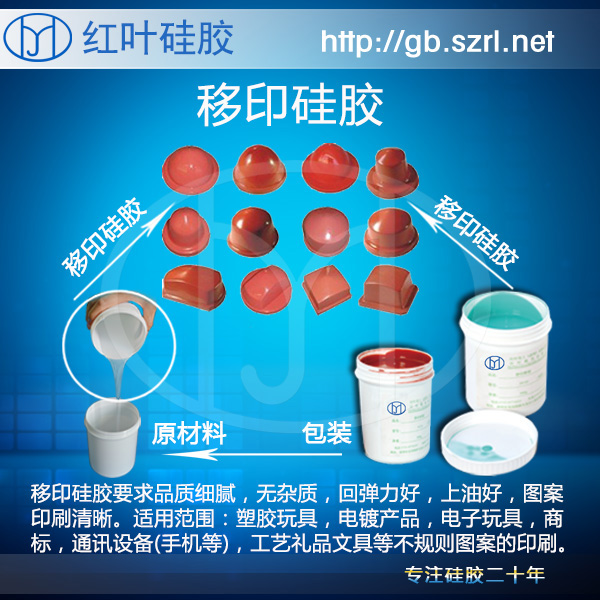
Storage Best Practices
How pads are stored when not in use significantly affects their lifespan. Always store pads in a cool, dry, dust-free environment away from direct sunlight and heat sources. Keep them in a sealed container or bag to prevent dust and debris from settling on the printing surface. Avoid stacking heavy objects on top of pads, as this can cause permanent deformation. If storing for an extended period, lightly dust the surface with talcum powder to prevent sticking, and ensure the pad is fully cured before storage.
Common Causes of Premature Pad Failure
The most common causes include: using incompatible cleaning solvents that break down the silicone; running at excessive press pressure that compresses and fatigues the pad; printing on rough or sharp product surfaces that abrade the pad; leaving ink residue on the pad for extended periods; and exposing pads to high temperatures or UV radiation that accelerate aging. By identifying and eliminating these factors, you can significantly extend pad life.
Proven Methods to Extend Service Life
First, match the pad hardness to the product surface — using the correct hardness reduces unnecessary stress and wear. Second, maintain proper press pressure — excessive pressure is a leading cause of premature wear. Third, implement a regular cleaning schedule rather than cleaning only when print quality degrades. Fourth, rotate multiple pads in production to allow each pad time to recover elasticity between runs. Finally, invest in high-quality silicone material — premium pads offer better wear resistance and longer life than economy alternatives.
When to Replace a Pad
Replace a pad when you notice: persistent print defects that cannot be resolved by cleaning; visible surface cracks, peeling, or tackiness; loss of elasticity causing the pad to remain deformed after pressing; or a significant decline in ink transfer quality. Keeping a spare pad on hand minimizes downtime when replacement is needed.
Conclusion
Pad printing silicone heads are a valuable production asset that deserves proper care. By following a consistent cleaning routine, storing pads correctly, avoiding common damage causes, and using proven life-extension methods, manufacturers can significantly reduce pad-related costs and maintain consistent print quality. Hongye Silicone offers a full range of high-quality pad printing silicones, including the durable 912 general-purpose series, and provides technical support to help customers optimize their pad printing processes.
 ∷
∷