EV Battery Management Systems: The Critical Role of High-Ther
The BMS performs critical safety functions - monitoring cell voltages, temperatures, and current flow to ensure safe battery operation. When the BMS fails, the consequences can be severe, ranging from reduced battery life to thermal runaway events. Automakers specify BMS components with AEC-Q200 qualification and demand encapsulation materials that maintain performance throughout the 15-year vehicle design life.
The operating environment inside a battery pack is among the harshest in automotive electronics. Temperature swings from -40C during cold starts to 85C during fast charging create constant thermal cycling. Vibration from road surfaces continuously stresses solder joints and component connections. Exposure to potential coolant leaks adds chemical challenge.
High-thermal potting silicones with 0.6 W/mK conductivity address these challenges by creating a thermally conductive path from IC junctions to the module housing. This reduces operating temperatures by 15-20C compared to air-filled designs, directly extending component life. The elastic silicone body absorbs vibration, while the complete seal prevents coolant and moisture ingress.
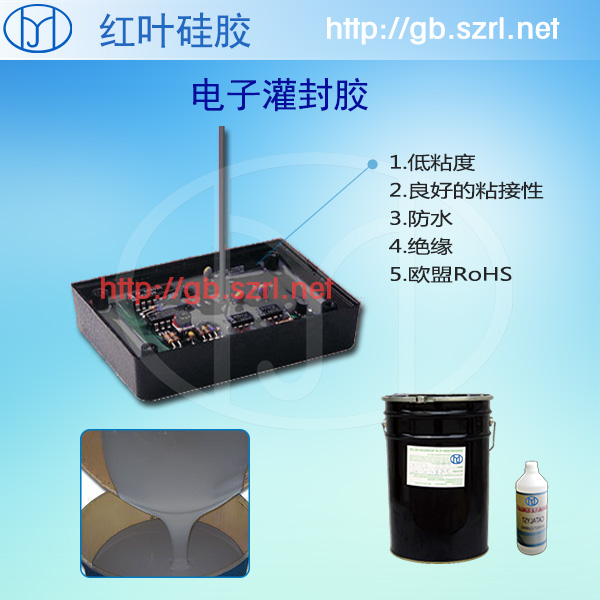
Hong Ye Silicone's HY-9050, delivering 0.6 W/mK with fast 2-4 hour cure time, has been adopted by leading BMS manufacturers for production potting. The white formulation enables visual quality inspection - a critical requirement for automotive safety components.
Key Takeaways:
• BMS thermal management critical for EV safety and battery longevity
• 0.6 W/mK potting silicone reduces IC temperatures by 15-20C
• Elastic cure absorbs vibration in automotive environment
• Fast cure formulations support high-volume production requirements
---
Source: Hong Ye Silicone Technical Report | Contact: info@szrl.net | +86-755-89948006 | www.szrl.net
 ∷
∷